The pandemic taught every hospital a hard lesson: when infection-control and patient-safety practices are strong, systematic and universally trained, they save lives — and when they're patchy, the consequences are severe. COVID-19 also exposed how fragile most hospitals' training systems were, relying on emergency briefings rather than durable programmes. As the crisis has receded, so has the urgency — and the safety-training gap is quietly reopening.
Why safety training decays
- Knowledge fades: hand-hygiene, PPE and isolation practices drift without regular reinforcement.
- New staff miss it: people who joined after the pandemic peak may never have had structured training.
- Protocols change: guidelines evolve, but updates don't always reach the floor.
- No verification: hospitals assume competence rather than confirming it.
Safety is a training discipline, not a memo
Patient safety isn't achieved by circulating a policy — it's achieved when every staff member has been trained, assessed and periodically refreshed on the practices that prevent harm. That requires a system that reaches everyone, verifies understanding, and repeats on a schedule. Anything less is hope dressed up as a protocol.
How MedSkills keeps safety competence high
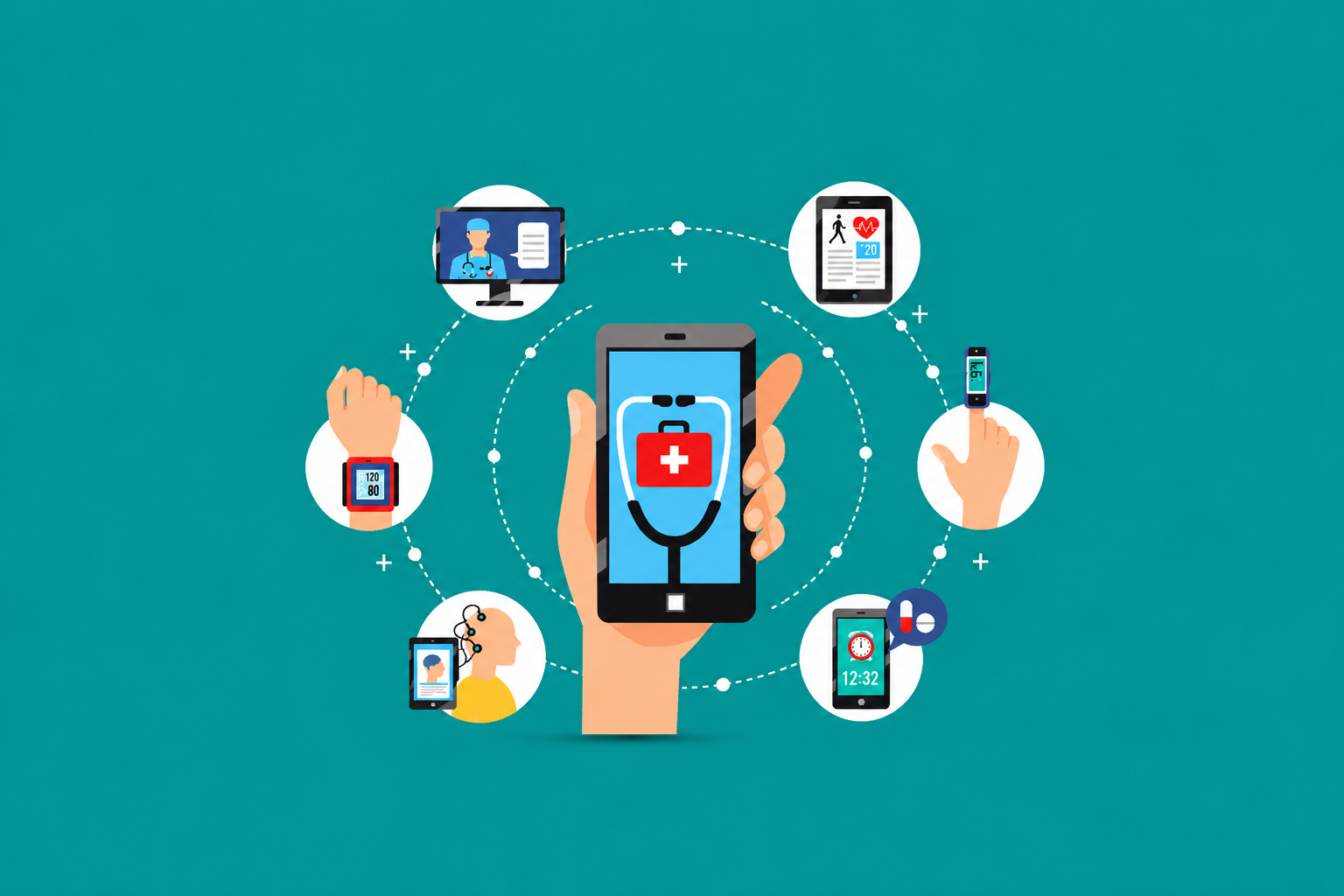
MedSkills ships with a ready library of patient-safety and infection-control content — hand hygiene, biomedical-waste management, medication safety, BLS/CPR and more — that staff complete on mobile. Custom content lets you push protocol updates the moment they change, e-proctored assessments verify that people can actually apply the practices, and automatic scheduling drives periodic refreshers so competence never quietly decays. Every completion is recorded, giving you both safer care and audit-ready evidence.
Make patient safety a trained, verified habit
MedSkills delivers ready infection-control and patient-safety training, instant protocol updates, verified assessments and automatic refreshers — so safety competence stays high across your whole team.
Explore MedSkills