
The 2.4 Million Gap: Inside India's Deepening Healthcare Skill Crisis
India's healthcare workforce shortage is now measured in millions — but the deeper, faster-growing problem is a skill and competency gap. Here's the data, and how MedSkills helps hospitals bridge it.

Beyond Headcount: Why Your Real Problem Is a Skills Gap, Not a Staff Gap
Hiring more people won't fix a hospital where existing staff can't fully use the systems and protocols in front of them. The competency gap is the lever leaders actually control.
The Nursing Skills Gap: India Needs 4.3 Million More — and Better-Trained — Nurses
India's nursing shortage is enormous — but the quality-of-training gap is just as urgent. Fewer than 1 in 10 nursing graduates are considered work-ready for global standards.

Your HMS Is Only as Good as Your Team: The Digital Health Skills Gap
Hospitals are investing heavily in HMS and EHR systems — but studies show most staff can't fully use the digital tools they're given. Training, not software, is the real bottleneck.
The Attrition Tax: How Upskilling Fixes Your Hospital's Turnover Problem
High turnover among nurses and allied staff is one of the biggest hidden costs in Indian hospitals. Structured training is one of the most reliable — and cheapest — ways to reduce it.
The NABH Competency Gap: Why Training Records Make or Break Your Audit
NABH doesn't just ask whether your staff are trained — it asks you to prove it, continuously. Most hospitals fail here not on care, but on documentation.

The Invisible Shortage: Allied Health, Lab Techs and the Skills Gap No One Counts
Doctors and nurses dominate the shortage conversation. But lab technicians, radiographers and other allied roles face gaps that are just as damaging — and far less tracked.
Onboarding Is Broken: Why New Hospital Hires Take Months to Get Productive
In most hospitals, new staff learn by shadowing whoever is free that day. It's slow, inconsistent and risky. Structured onboarding fixes all three.

The CME Gap: Closing the Continuing-Education Shortfall in Indian Hospitals
Medicine changes constantly, but most hospitals have no reliable system to keep clinical staff current. Continuing education is treated as optional — until it isn't.
The Post-COVID Safety Gap: Why Infection-Control Training Can't Be a One-Off
COVID-19 exposed how thin healthcare training systems were. As attention fades, infection-control and patient-safety competence is quietly slipping again.

The Rural Skills Gap: Training the Frontline Where It's Needed Most
India's health-worker shortage is far worse in rural areas, and frontline workers there have the least access to structured training. Mobile-first learning is changing that.
Reskilling for AI: Preparing Your Hospital Workforce for a Digital-First Future
AI, analytics and connected devices are entering hospitals fast. The workforce that uses them is being left behind — unless leaders make reskilling deliberate.
The True Cost of the Skills Gap: Errors, Safety and Lost Revenue
A skills gap isn't an abstract HR concern. It shows up as medical errors, safety incidents, compliance risk and revenue leakage — with a price tag hospitals rarely calculate.
The Missing Half of Competence: Why Soft Skills Are a Clinical Skill
Clinical knowledge is only half of good care. Communication, empathy and teamwork drive patient experience, safety and outcomes — and they're rarely trained.

From Ad-Hoc to Systematic: Building a Learning Culture with an LMS
The hospitals that close their skill gap for good don't run more training events — they build a learning culture, powered by a system that makes development continuous.
Why Every Small Clinic Needs Free Clinic Management Software in 2026
Small clinics run on memory, paper and goodwill — and it costs them time, patients and revenue. A free, mobile clinic management app changes that without changing the budget.
Save Hours Every Day: How a Mobile Clinic App Ends the Paperwork Chaos
The biggest cost in a small clinic isn't money — it's time lost to manual work. Here's exactly where a mobile clinic app gives those hours back.
Track Everything: Manage Patients, Records and Revenue in Real Time
You can't improve what you can't see. A free clinic app gives small clinics a live view of their patients, records and revenue — the visibility that used to be a hospital-only luxury.
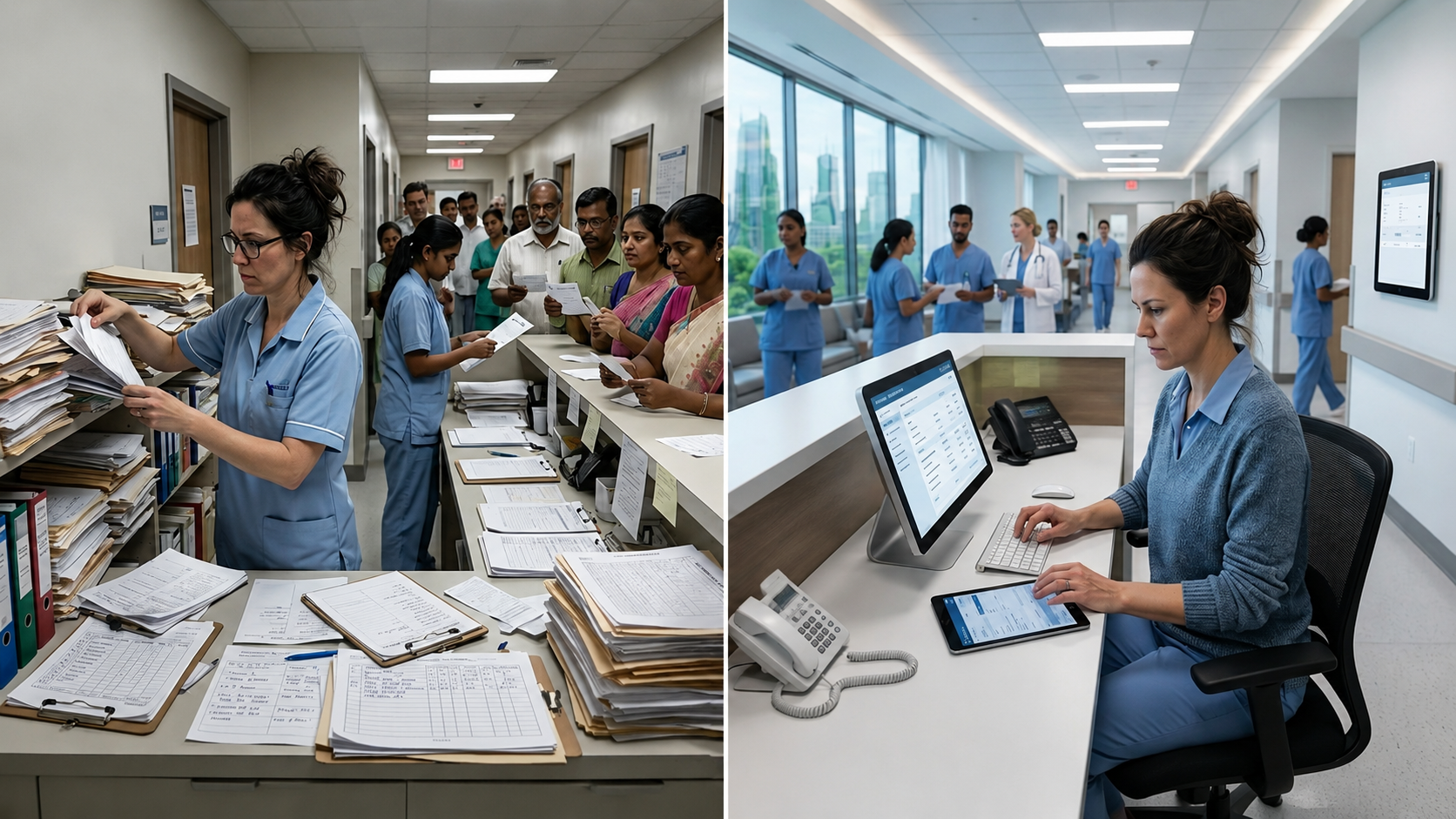
Why Every Hospital Needs a Hospital Management System in 2026
Many hospitals still run on paper records and disconnected systems — and it’s costing them patients, time, and money. Here’s what an HMS actually fixes.
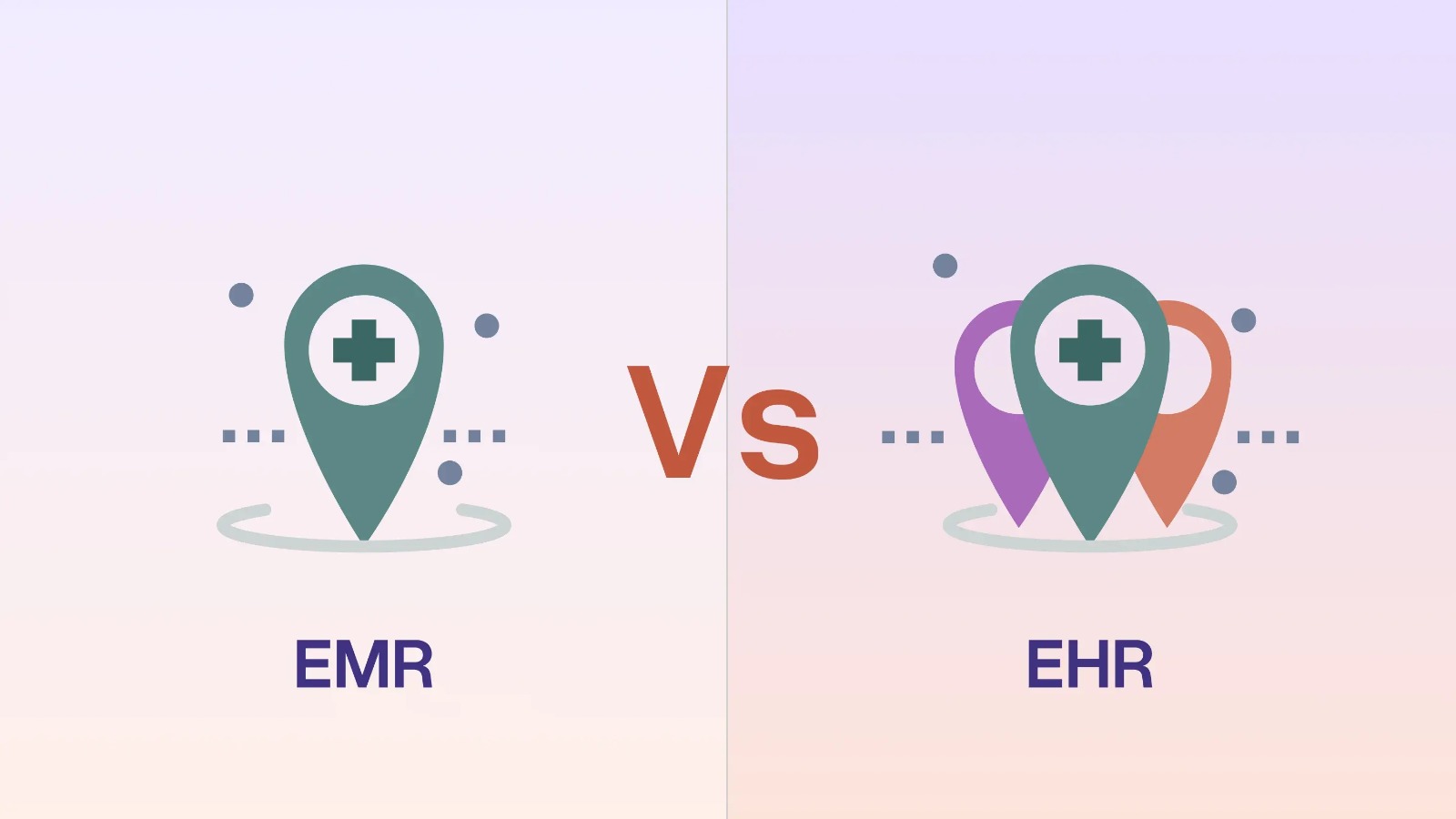
EMR vs EHR — What’s the Difference and Which Does Your Hospital Need?
EMR and EHR sound interchangeable but aren’t. Here’s the real difference — and how to tell which one your hospital actually needs.
HMS vs Manual Hospital Management — Which Is Better?
Paper registers and spreadsheets feel familiar — but they’re quietly costing hospitals time, accuracy, and patient trust. Here’s the real comparison.
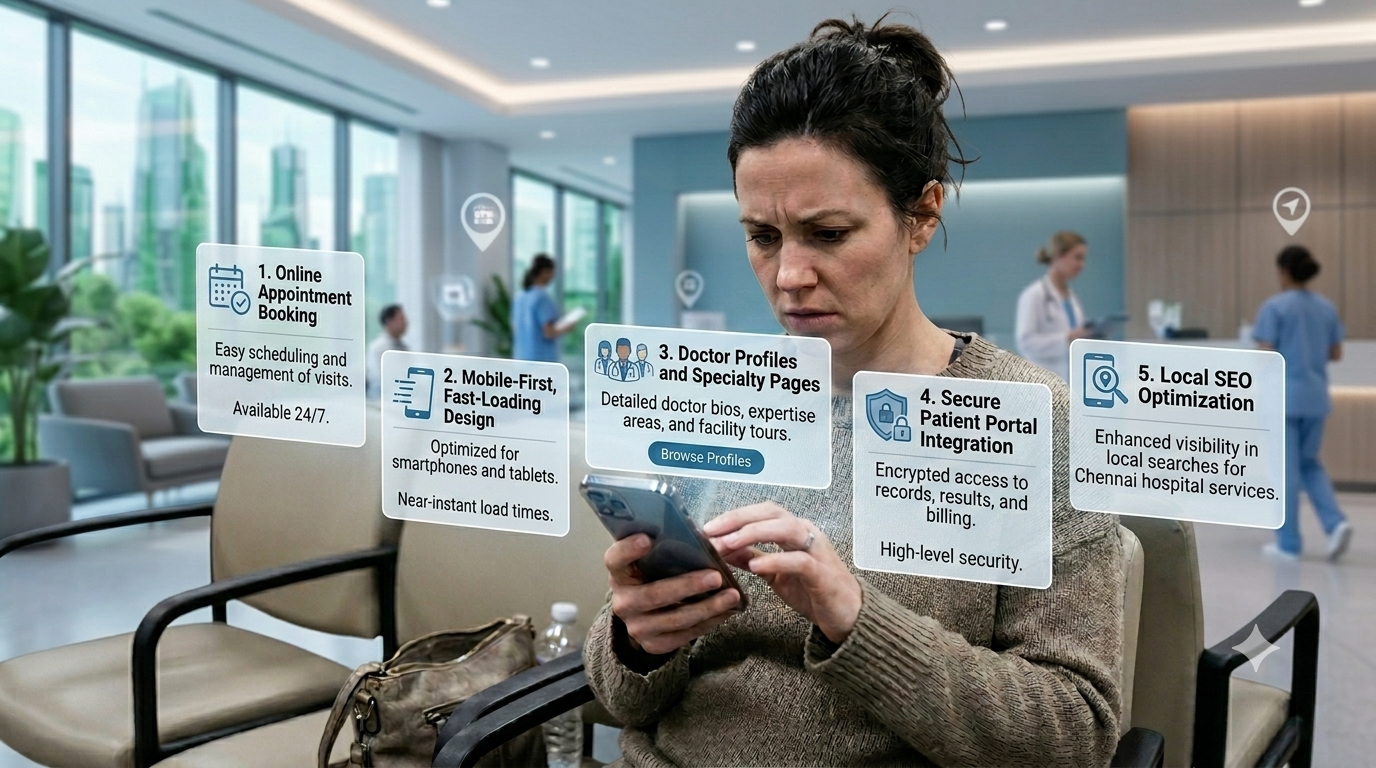
5 Features Every Hospital Website Must Have in 2026
A hospital's website is often the first interaction a patient has with your facility. In 2026, patients expect more than a static page — here are the five features that actually matter.
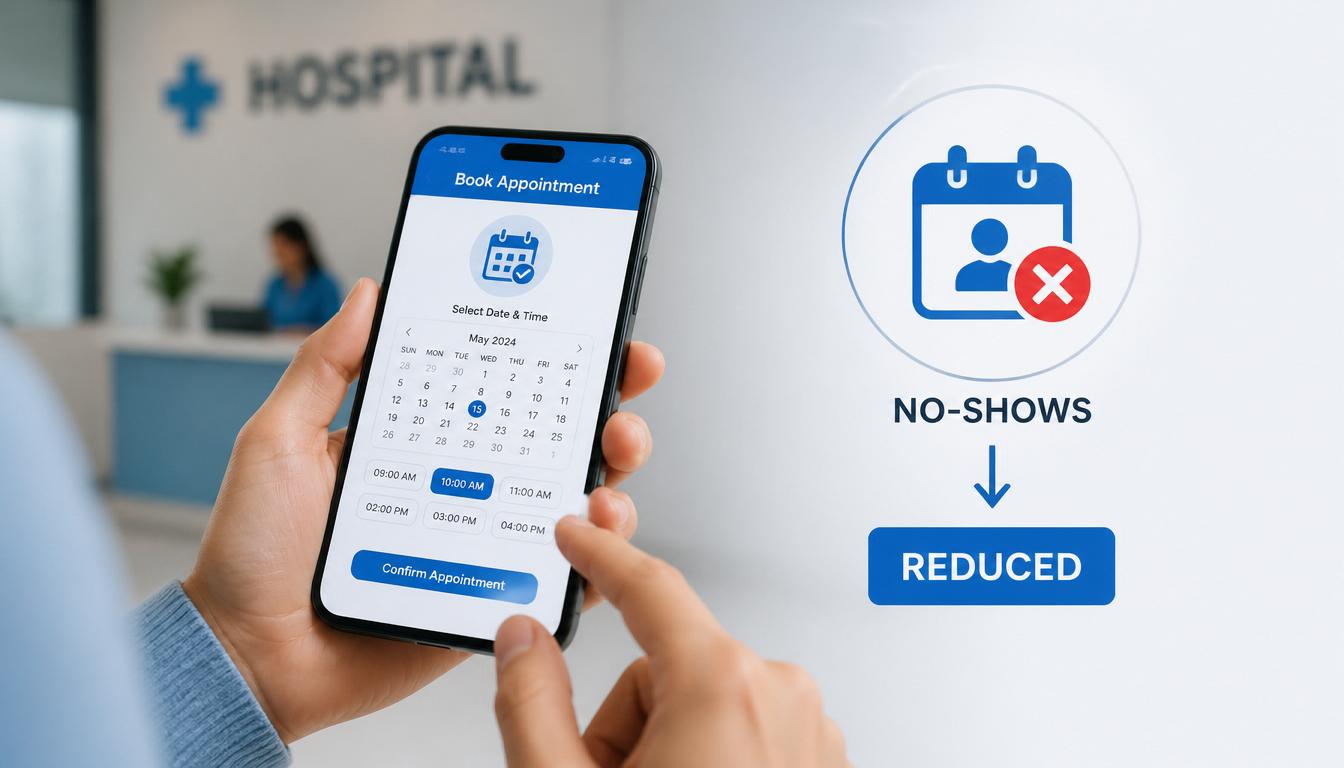
How Online Appointment Booking Reduces Hospital No-Shows
Missed appointments cost hospitals time, revenue, and patient trust. Here's why digital booking is the most effective way to fix the no-show problem.
How to Choose the Right Hospital Management System for Your Hospital
With dozens of HMS options available, choosing the wrong one means wasted budget and operational disruption. Here's what to evaluate before making a decision.

Is Your Hospital Data Safe? A Guide to Healthcare Cybersecurity in India
Healthcare has become one of the most targeted sectors for cyberattacks. Here's why Indian hospitals are at risk and what to do about it.
What Is a Laboratory Information System (LIS) and Why Do Hospitals Need One?
Every hospital lab generates a constant stream of samples and results — and a single misplaced report can directly affect patient care. Here's what an LIS actually does.
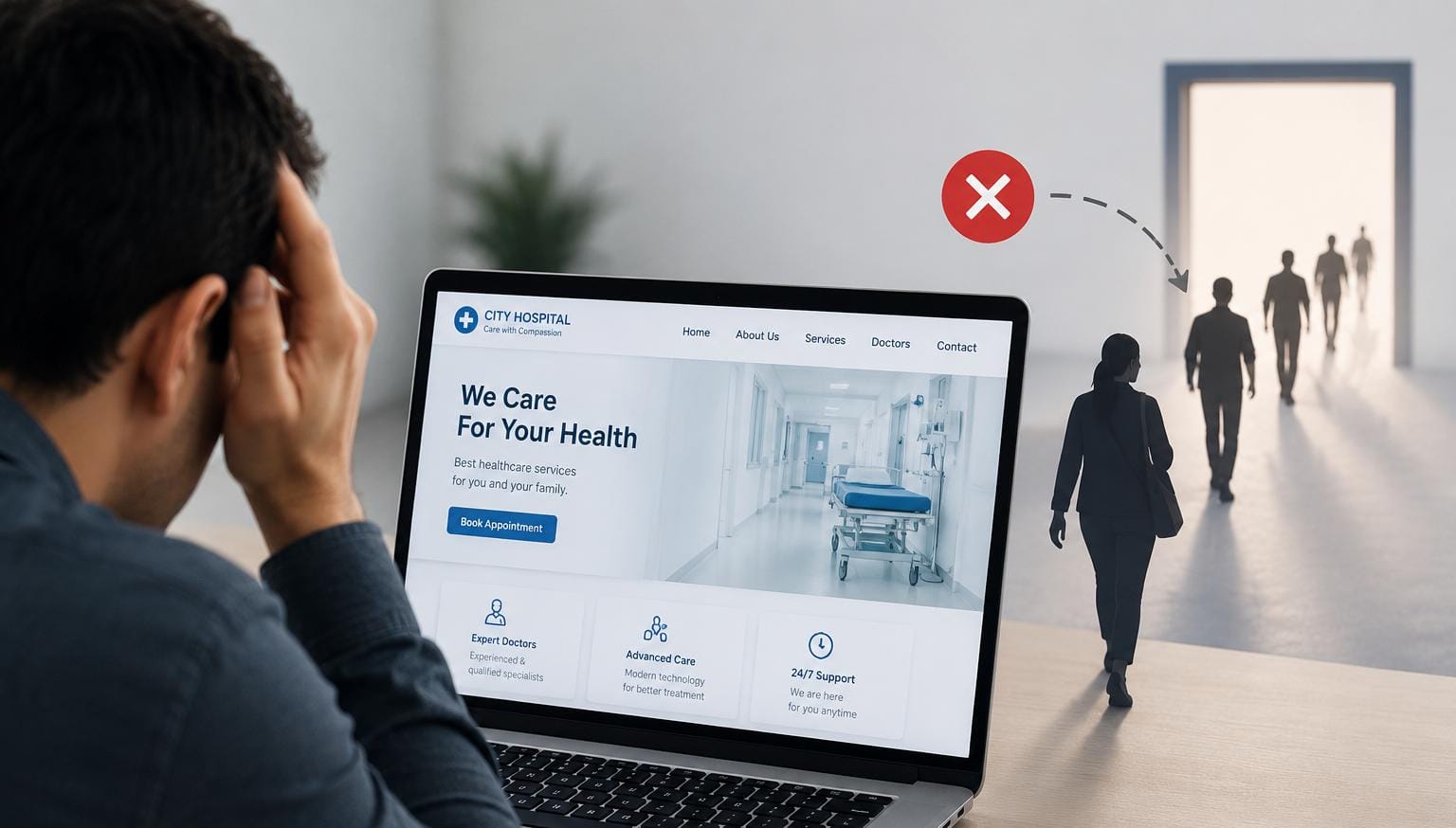
Why Your Hospital Website Is Losing Patients (And How to Fix It)
Before a patient calls your reception desk, they've already visited your website. If that experience is slow, outdated, or confusing, many patients simply move on.

Why Hospitals Should Move to Cloud Hosting — A Simple Guide
Many Indian hospitals still run their HMS and patient data on a server in a back room. Here's why cloud hosting is the lower-risk, more reliable alternative.
The True Cost of Running a Hospital Without IT Systems
Many hospitals believe avoiding IT investments saves money. In reality, revenue leakage, inefficiency, compliance risks, and poor decision-making often cost far more than implementing the right digital systems.
How Billing Errors Impact Hospital Revenue
Small billing mistakes can lead to significant revenue leakage for hospitals. Learn how accurate billing improves cash flow, compliance, and financial performance.
ABDM Explained: What It Means for Hospitals
ABDM is transforming healthcare in India by enabling secure, connected, and interoperable health records. Learn what it means for hospitals and why ABDM readiness matters.
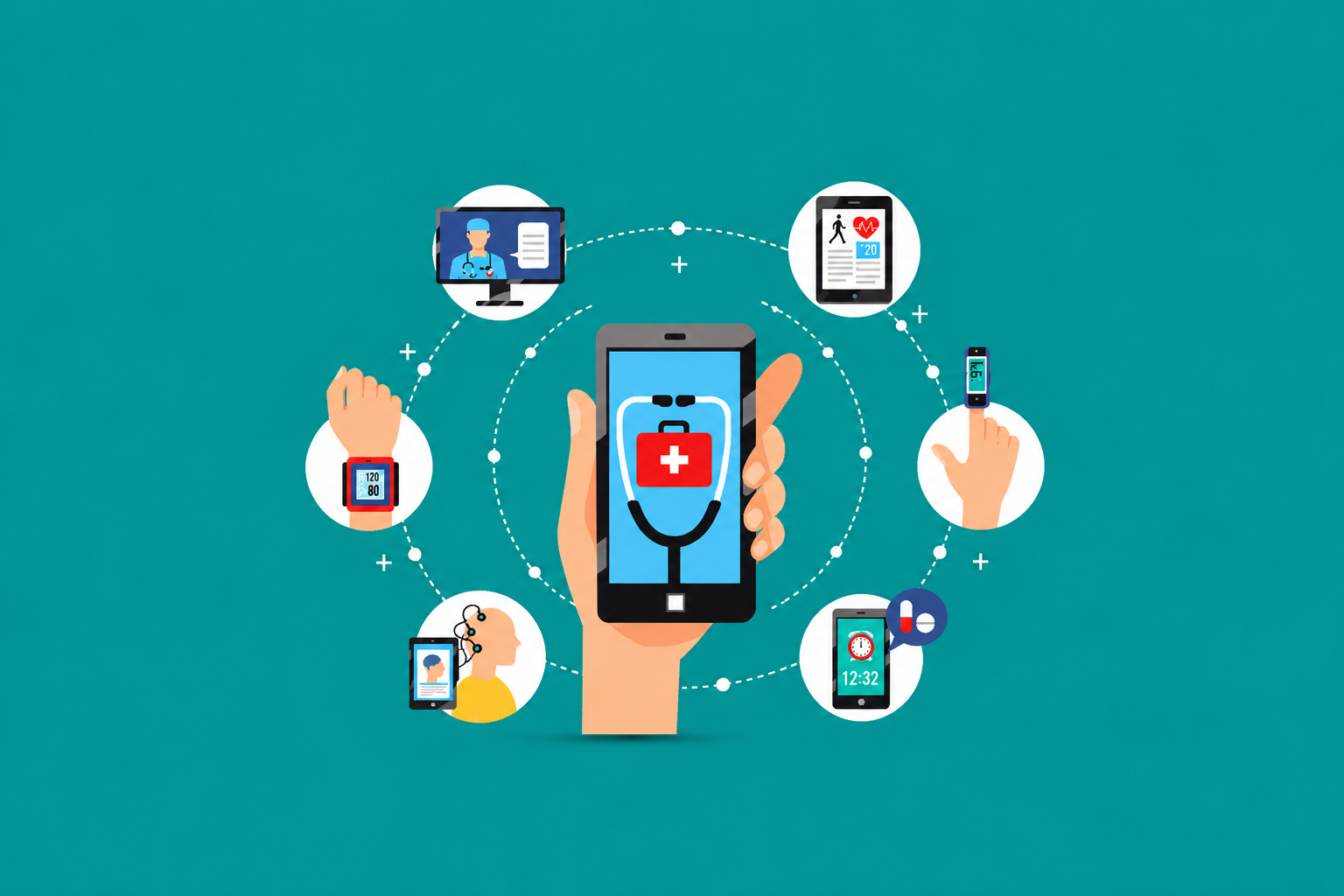
How Hospitals Can Reach More Patients Through Telemedicine
Telemedicine enables hospitals to extend healthcare services beyond physical locations, improve patient access, and provide convenient remote consultations.
How Digital Marketing Helps Hospitals Attract More Patients
Patients increasingly begin their healthcare journey online. Learn how digital marketing helps hospitals improve visibility, build trust, and attract more patients.
How Continuous Staff Training Improves Patient Care and Hospital Performance
Continuous staff training helps hospitals improve patient care, strengthen compliance, enhance workforce performance, and build a culture of continuous learning.
Why Digitising Patient Records Is No Longer Optional for Indian Hospitals
Paper-based records create inefficiencies, delays, and operational challenges. Learn how digital patient records improve care quality, accessibility, and hospital efficiency.

Hospital Pharmacy Management System: Key Features
Manual pharmacy processes lead to stock errors, medicine wastage, and billing mistakes. Here's what a modern Pharmacy Management System actually does — and what to look for.
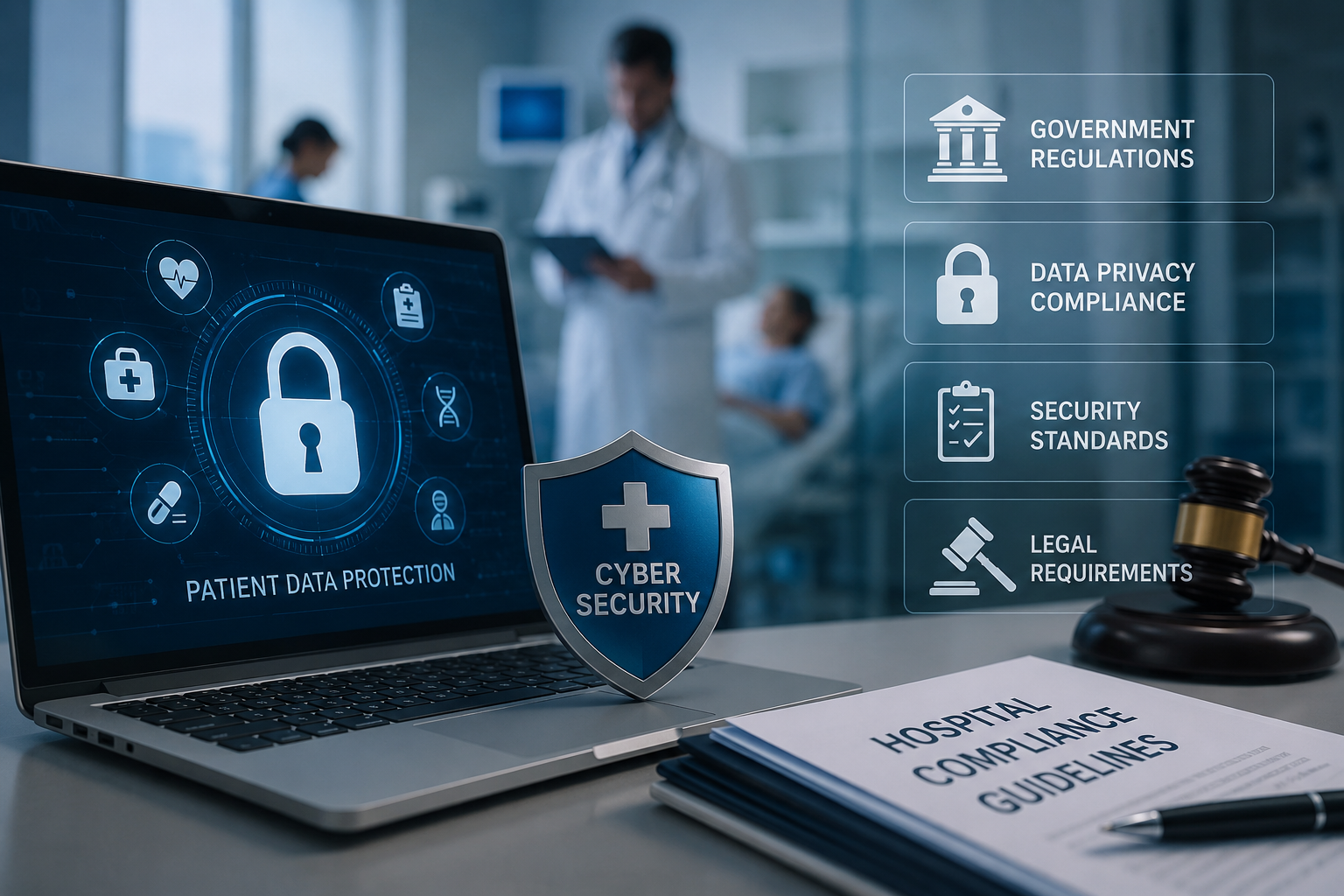
Cybersecurity for Indian Hospitals: What the Law Requires
Healthcare is one of the most attacked sectors globally, and Indian hospitals are no exception. A layered set of regulations now makes cybersecurity a legal obligation, not just a technical one.
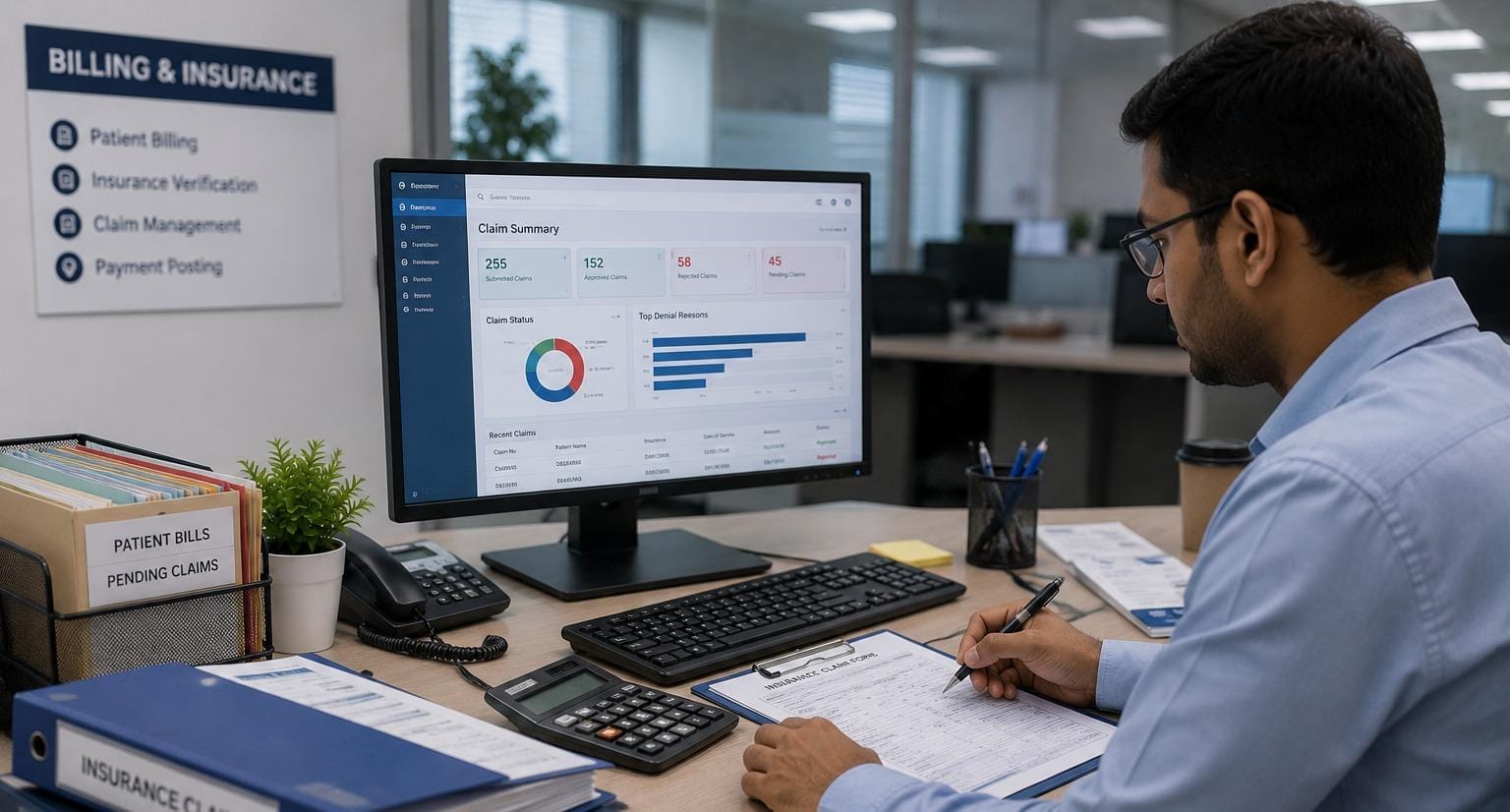
How Indian Hospitals Can Stop Losing Money to Claim Denials
With 50–60% of revenue flowing through insurance and government schemes, Indian hospitals are quietly losing crores to denied, delayed, and short-paid claims. Here's why it happens — and how to fix it at the source.