India's healthcare skills gap is not evenly distributed. It concentrates, brutally, in rural and semi-urban areas — where doctor-to-population ratios can be a fraction of urban levels and where frontline health workers carry an outsized share of care with the least support. These are the workers who most need structured training and have historically had the least access to it. Closing the rural skills gap is one of the highest-impact things the system can do.
Why rural frontline workers are underserved
- Distance and cost: reaching a training centre means travel, time away and lost income.
- Thin supervision: fewer senior staff nearby to mentor and correct.
- Frameworks skew urban: most digital and clinical competency frameworks are designed for physicians and managers, not frontline workers in low-resource settings.
- Technology gaps: systems get deployed faster than the training to use them.
Mobile-first learning changes the equation
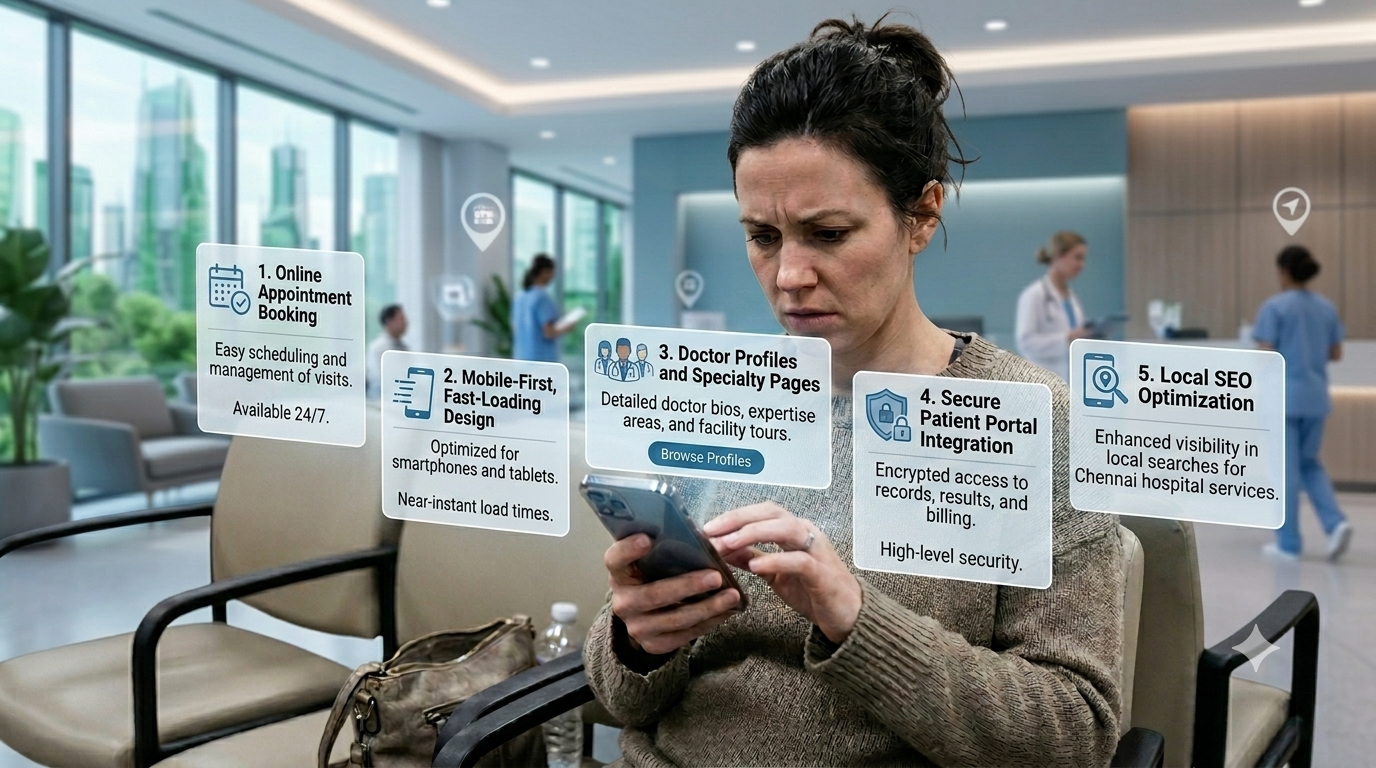
The single biggest unlock for rural training is the phone. When learning is mobile, self-paced and offline-tolerant, it goes to the worker instead of demanding the worker travel to it. Frontline staff can build and refresh skills between duties, wherever they are — turning the device already in their pocket into a training centre.
How MedSkills reaches the frontline
MedSkills is mobile-first by design, which makes it a natural fit for distributed and rural teams. Staff learn on their phones, at their own pace, without needing to gather in one place. Custom e-learning content can be built for the specific roles and realities of frontline workers rather than forcing an urban curriculum onto them. Structured onboarding brings new frontline staff up to standard consistently, industry-relevant bundles cover core competencies, and e-proctored assessments verify readiness even when a supervisor isn't physically present. Completion tracking gives programme managers visibility across every location.
Bring structured training to every location
MedSkills delivers mobile, self-paced learning with role-specific content and remote-verified assessments — so frontline and rural staff get the same quality of training as any city hospital.
Explore MedSkills