Introduction
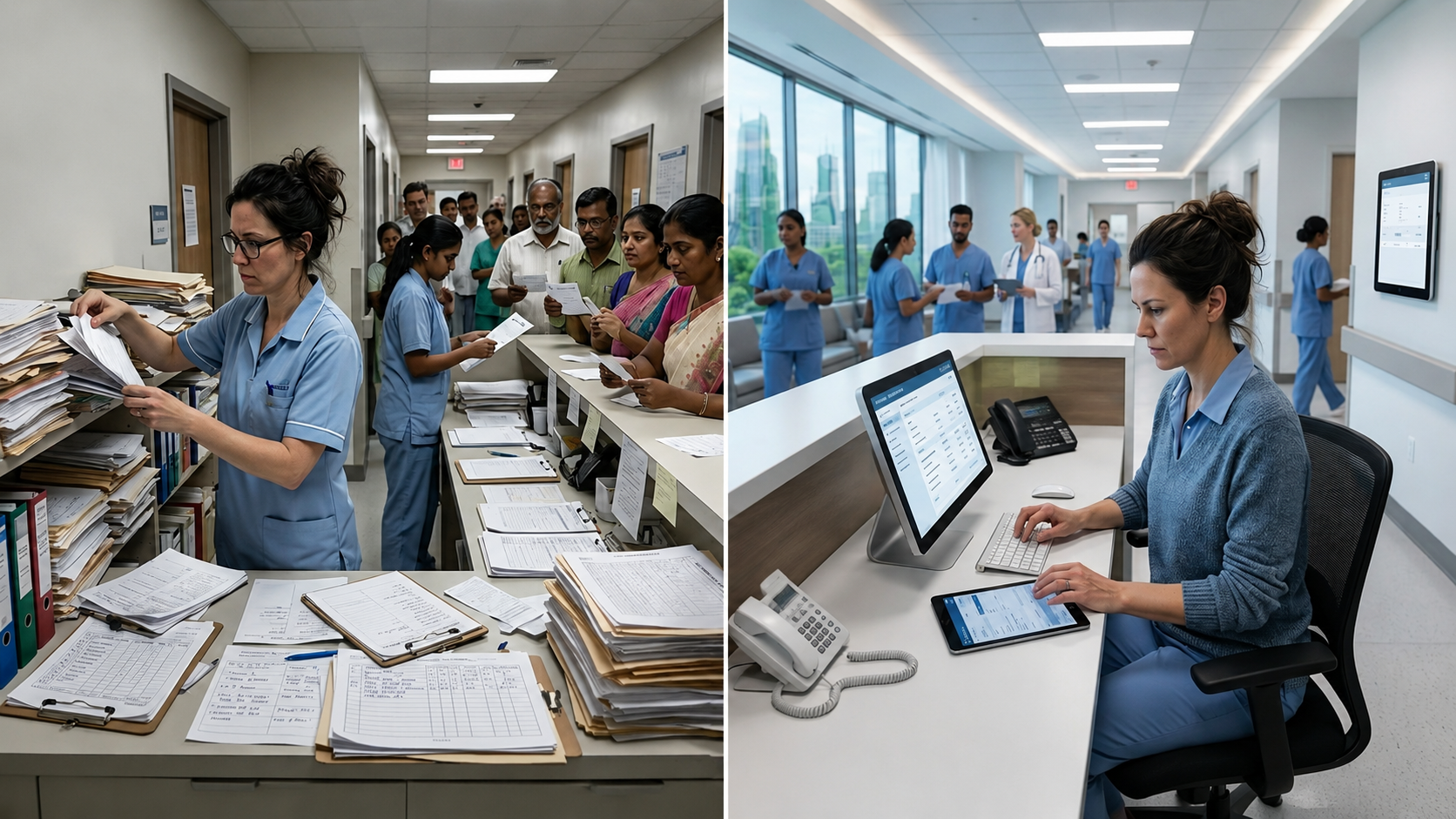
Healthcare is evolving rapidly, and hospitals are under increasing pressure to deliver better patient care while managing operations efficiently. Many hospitals still rely on manual processes, paper records, and disconnected systems, which can lead to delays, errors, and patient dissatisfaction.
A Hospital Management System (HMS) helps healthcare organizations streamline their daily operations, improve patient experiences, and make data-driven decisions.
What Is a Hospital Management System?
A Hospital Management System (HMS) is an integrated software platform that helps hospitals manage clinical, administrative, financial, and operational processes from a single system.
It centralizes patient information, appointments, billing, laboratory reports, pharmacy management, and staff operations, ensuring smooth workflow across departments.
Common Challenges Faced by Hospitals
Many hospitals struggle with:
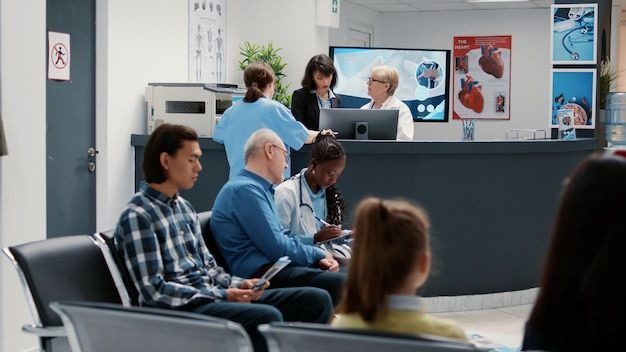
- Long patient waiting times
- Manual appointment scheduling
- Paper-based medical records
- Billing and insurance processing delays
- Difficulty accessing patient history
- Lack of real-time reporting
- Communication gaps between departments
These challenges can affect both patient satisfaction and operational efficiency.
Benefits of a Hospital Management System
1. Improved Patient Experience
Patients can book appointments online, receive automated reminders, and experience faster registration and consultation processes.
2. Centralized Patient Records
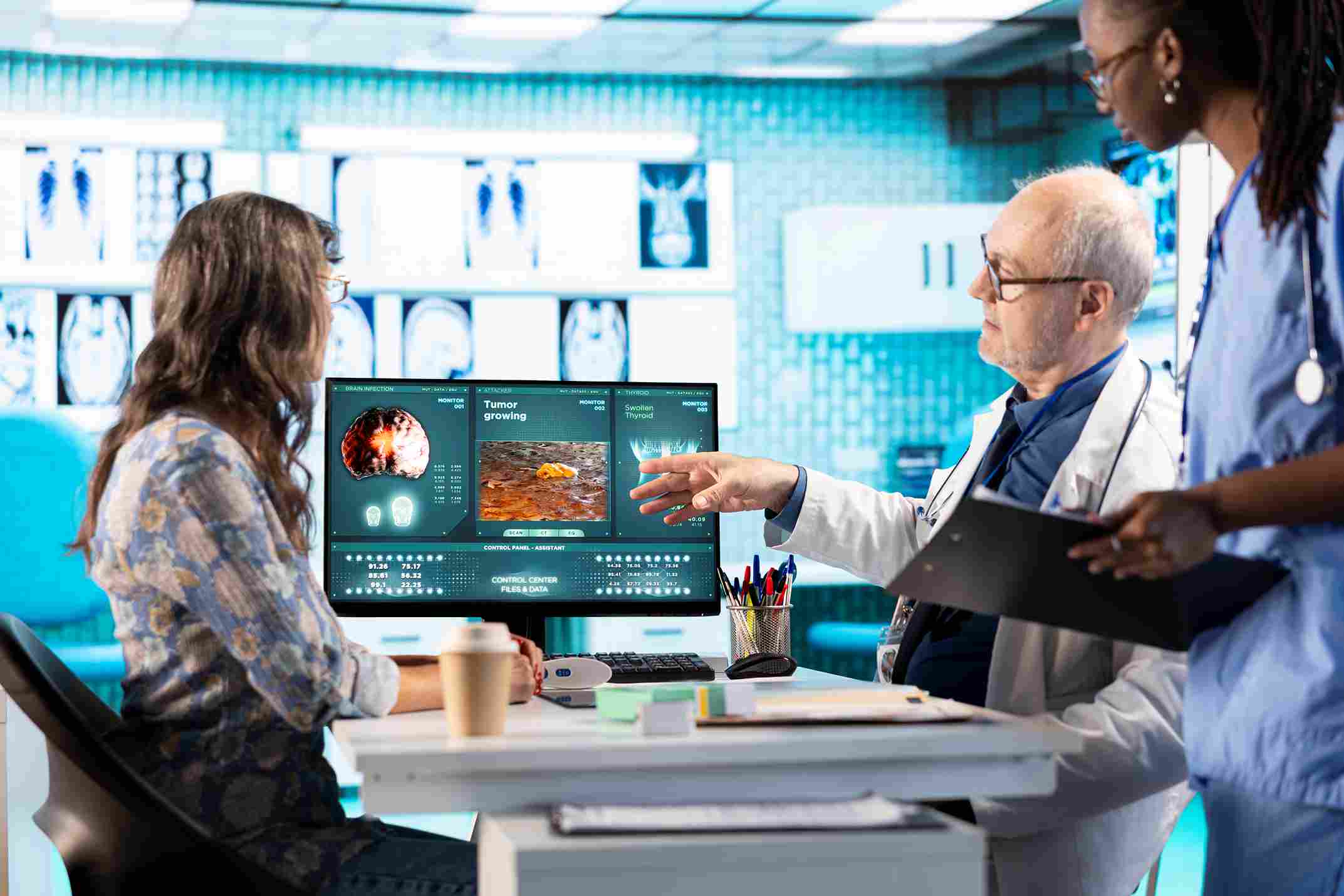
Electronic Health Records (EHR) allow doctors and staff to access patient information instantly, reducing paperwork and improving care quality.
3. Efficient Appointment Management
An HMS helps schedule appointments efficiently, reducing waiting times and improving resource utilization.
4. Accurate Billing and Financial Management
Automated billing reduces errors and speeds up payment processing, insurance claims, and financial reporting.
5. Better Decision Making
Real-time dashboards and analytics provide valuable insights into hospital performance, patient flow, and operational metrics.
6. Enhanced Data Security
Modern HMS platforms provide secure access controls, encrypted data storage, and compliance with healthcare regulations.
How MedXL Helps Hospitals
At MedXL, we provide healthcare technology solutions designed to simplify hospital operations and improve patient care. Our solutions include:
- Hospital Management System (HMS)
- Electronic Health Records (EHR)
- Laboratory Information System (LIS)
- Learning Management System (LMS) for Hospitals
- Online Appointment Booking
- Professional Hospital Websites
- Healthcare Digital Transformation Services
Our goal is to help hospitals embrace technology while focusing on what matters most—delivering exceptional patient care.
Conclusion
The future of healthcare is digital. Hospitals that invest in modern healthcare technology today will be better equipped to meet patient expectations, improve operational efficiency, and stay competitive in an evolving healthcare landscape.
Whether you are a small clinic, specialty center, or multi-specialty hospital, implementing the right Hospital Management System can transform your healthcare operations.